JANEL LEPPIN

"An Absolute Virtuoso - 4 Stars" - Downbeat Magazine

"Instrumental intimacy swept up in arrangements that cluster around her voice, as delicate and as imposing as a sheet of falling ice." - NPR Music

"Leppin is a rarity..ahhh-vant garde at its finest." - Capital Bop

“Akin to a fairy-tale forest encased in glass." - Philadelphia City Paper

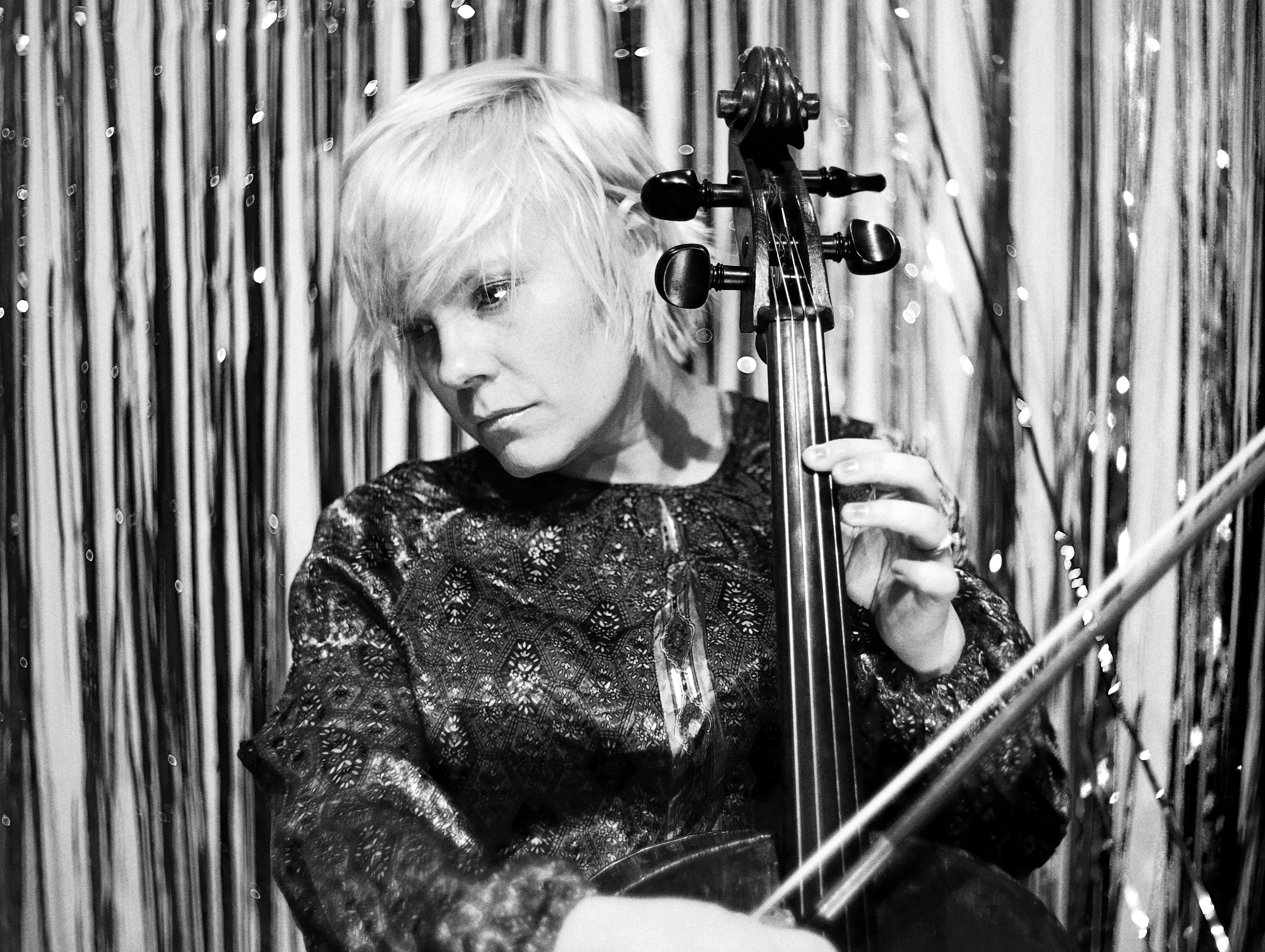
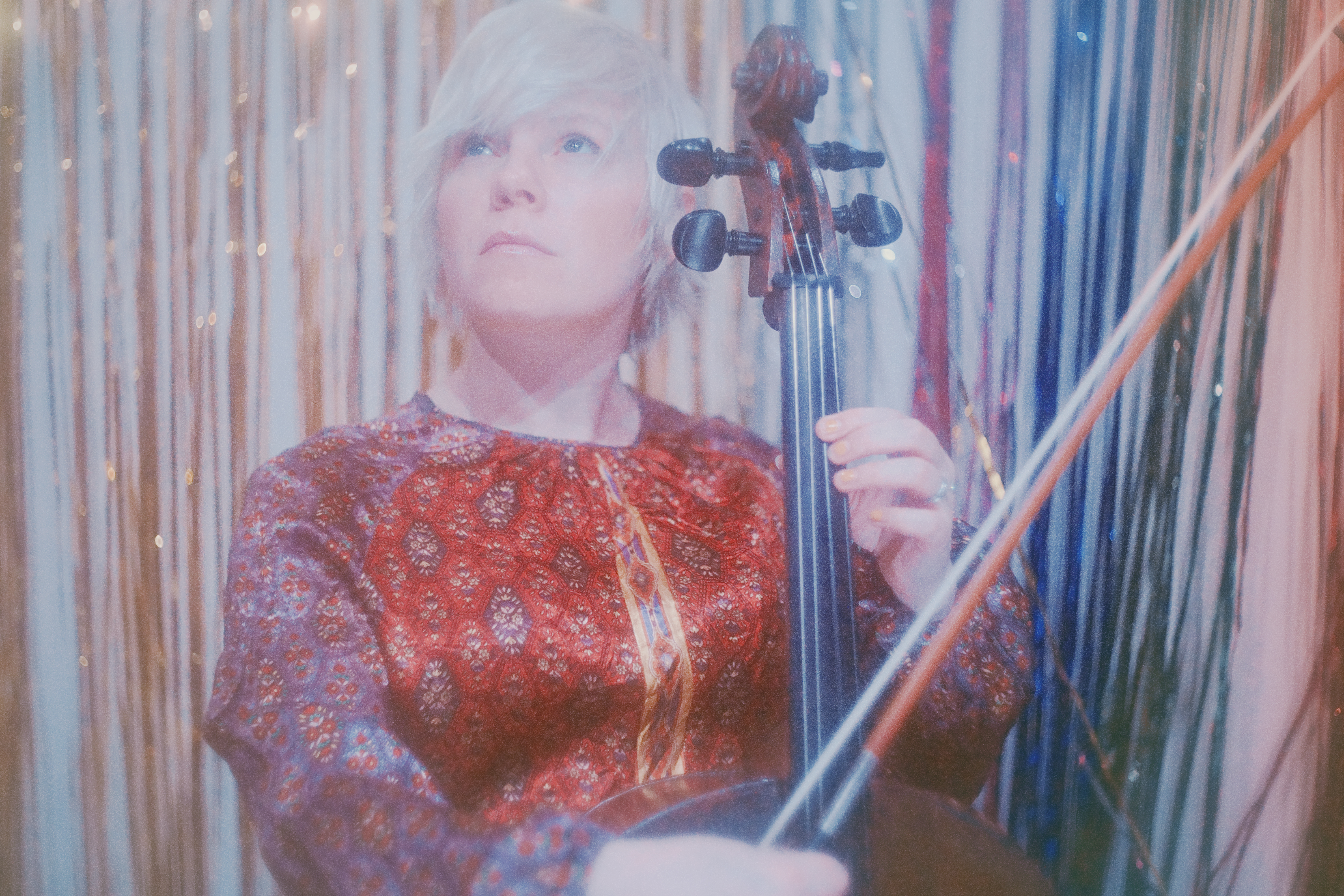
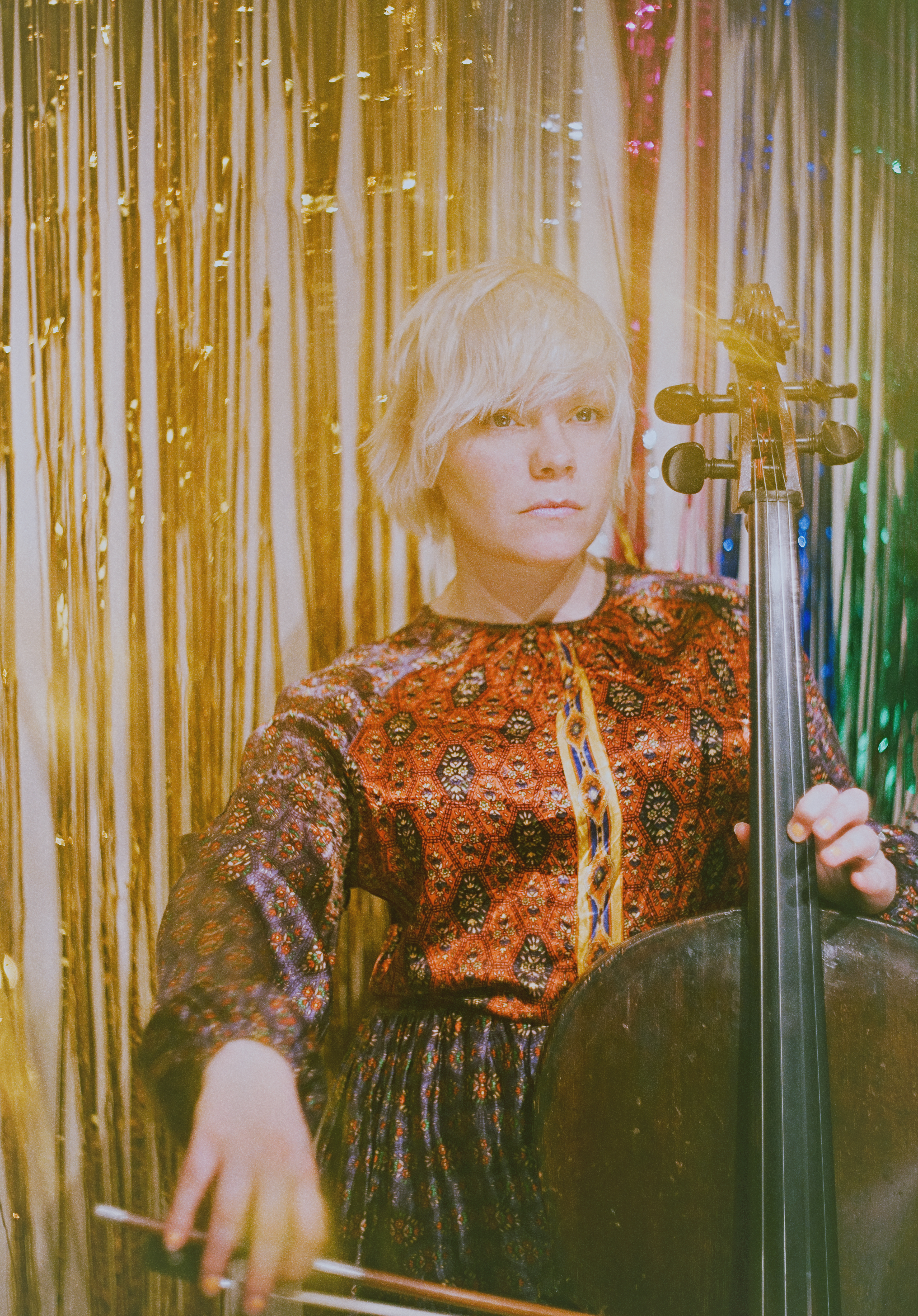
A composer and cellist who’s honed a singular synthesis of composition, orchestration and improvisation, Janel Leppin is best known as half of the experimental duo Janel and Anthony, which she co-leads with her husband guitarist Anthony Pirog. The chamber-jazz Ensemble Volcanic Ash materialized after years of incubation on Washington D.C.’s verdant new music, jazz and improvised music scenes. With this release, she steps forward as a bandleader in her own right, delivering a gorgeous debut brimming with singular musicians. The seven-piece group melds an illustrious array of D.C. talent into a glimmering expressive organism that surges, expands, ebbs and dances in multiple directions at once.


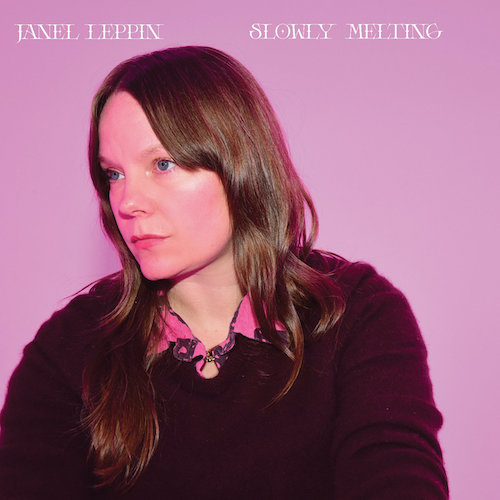
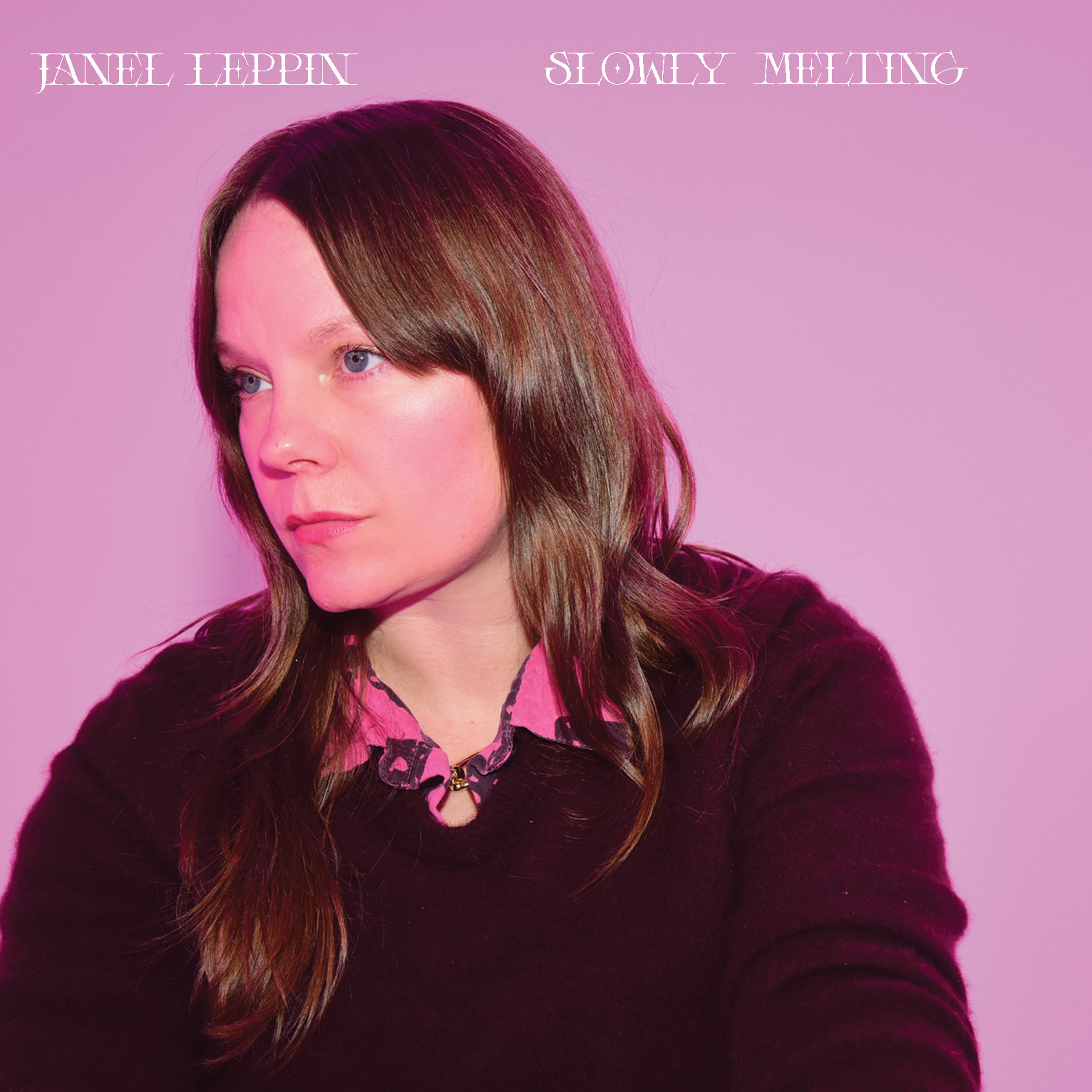
SLOWLY MELTING


RUNE 559

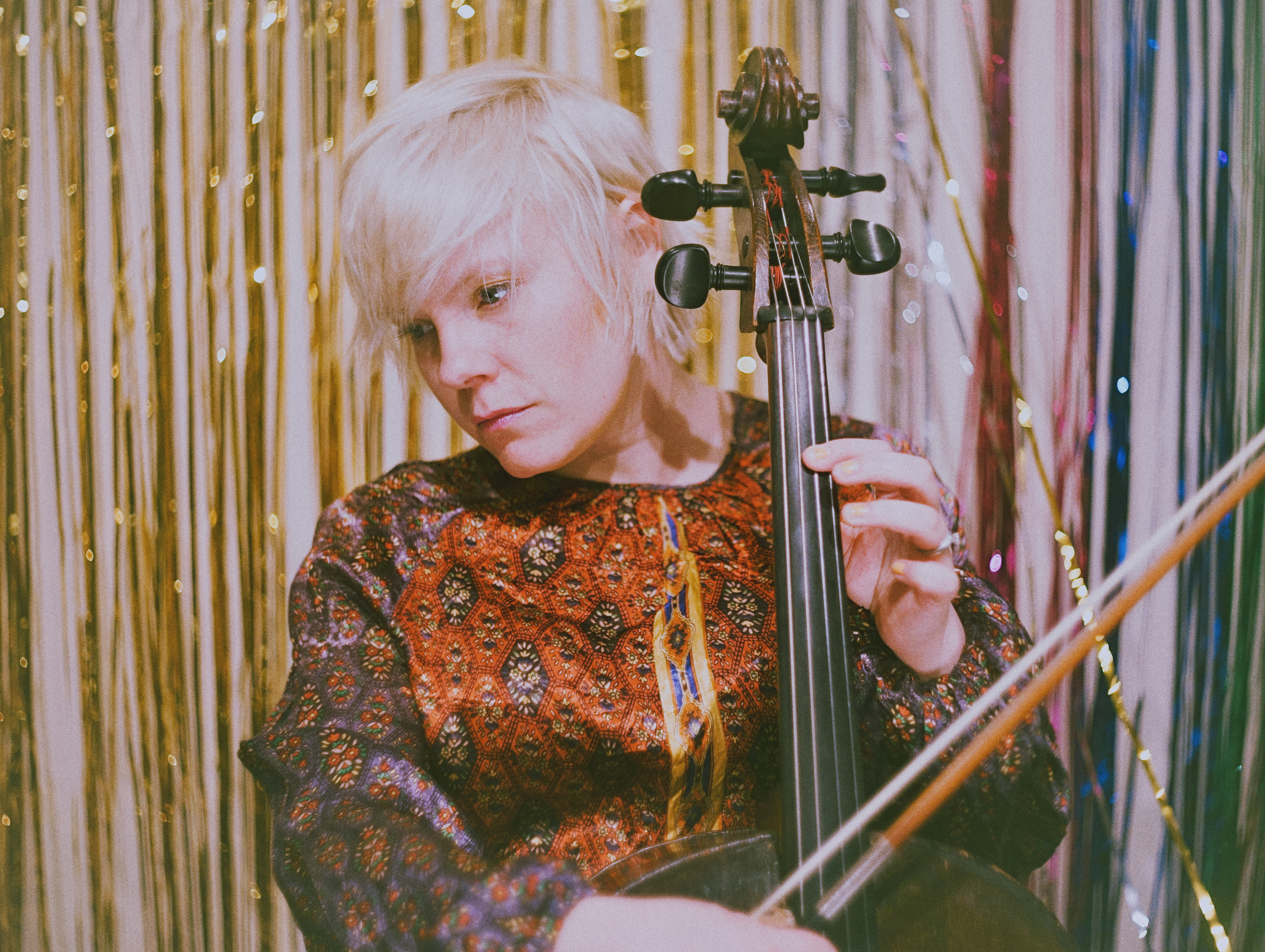
Over the past two decades, the cellist and multi-instrumentalist Janel Leppin has worked steadily to become one of the most compelling composers and improvisers of her generation. With her beloved Washington, D.C. scene as her home base, she has earned renown among fans of new and experimental music worldwide. Her astonishing range of projects includes Janel and Anthony, the duo she shares with her spouse, Messthetics guitarist Anthony Pirog; the extraordinary pop-tinged singer-songwriter music she makes as Mellow Diamond; and music with Marissa Nadler, PRIESTS, Rose Windows and many others.

Now at the peak of her powers as both a bandleader and a solo performer, she’s released two new projects of staggering beauty as well as vast personal and political insight. Pluto in Aquarius features her longstanding avant-jazz chamber unit, Ensemble Volcanic Ash, with a lineup of her most trusted collaborators including Pirog, bassist Luke Stewart, saxophonist Brian Settles and drummer Larry Ferguson. Slowly Melting is a riveting solo program that puts Leppin’s fuzz-saturated cello at the fore. She also contributes her accompaniment, crafting expansive soundscapes through guitar, bass, piano and Prophet-5 synthesizer.

Taken together, these Cuneiform Records releases highlight the duality at the core of her life as an artist, and as a person. In Ensemble Volcanic Ash, she’s once again an orchestra kid, relishing the camaraderie of making music with her friends. As a solo performer, especially onstage, she continues to marvel at how affecting the sound of her cello can be — how her centuries-old instrument, when thoughtfully filtered through analog technology, can bring a contemporary audience to tears.

These two albums also represent a triumph over adversity for Leppin, namely the physical hurdles she’s battled since college, when she severely injured her upper body and had to refrain from playing her instrument for more than a year. In the decades that followed, both setbacks and progress ensued, in addition to plenty of physical therapy.

Along the way, she learned to fulfill her musical passions by discovering new traditions, learning additional instruments that wouldn’t cause her pain, and delving into composition and arranging. As Pluto in Aquarius and Slowly Melting attest, today she’s a far more interesting musical personality than she would’ve become by staying put in a practice room. “Physically I cannot practice the way that classical cellists practice,” she explains. “So I knew I needed to expand. If I was going to stay in music, I needed to expand. And that’s what I’ve done.” 

Moreover, both albums underscore Leppin’s vision as a composer — an aesthetic that balances her great gift for moving, ear-catching melody with a penchant for fearless improvisation. It’s a concept that comes into crystalline focus whenever Leppin discusses her favorite musicians, from the stalwarts of free jazz to a colleague Eyvind Kang to Dungen. “Tchaikovsky is another favorite,” she says, “he writes so many gorgeous melodies especially for the cello. I think that’s what I like about pop music; you have to write something strong that will resonate with an audience.”

Gorgeous melodies, and equally gorgeous improvisations spun out from those melodies, define Slowly Melting. But alongside those lyrical themes, the project’s major breakthrough is sonic and textural. Or, as Leppin puts it, “This is my love letter to fuzz.” That’s fuzz as in fuzzbox, the compact analog devices that Keith Richards, Jimi Hendrix, Kevin Parker and other voyagers have used to innovate the sound of rock ’n’ roll. “Adding fuzz really changes everything on my instrument, in terms of its capabilities, the sustain, the richness of certain notes,” Leppin says. “There’s a lot of surprising moments that happen that you could never plan for — and I love that, especially live. I’ve been playing with electronics for 20-plus years, but I’d never really gone down that rabbit hole — and it is a rabbit hole.” 

Today, Leppin explains, “There’s a whole culture around fuzz, in terms of people who make and design the pedals, and the people who collect them.” Like any self-respecting fuzzhead, Leppin is cagey about the DIY builders she works with to fill out her pedalboard. But Slowly Melting is in part a testament to their circuitry prowess, and fuzz devotees will recognize totems of their culture in the track titles: “Zonk,” “Dizzy,” “Mk1,” “Germanium.” 

Other tracks reference Leppin’s life in music. “Kaffa House,” an unaccompanied, fuzz-free solo piece, pays homage to the now-defunct D.C. venue where Leppin checked out punk and hardcore shows in high school. Another sans-fuzz performance, “L.A. Land,” reflects on a particularly inspired bill Leppin appeared on at Zebulon, with Pirog and harpist Mary Lattimore. “The Brink Is Home” celebrates engineer/producer Mike Reina and his Virginia studio, the Brink. Reina’s in-studio guidance, both technical and creative, has been invaluable to Leppin throughout her career. (Leppin’s previous solo album, which reveled more in the pure, unaffected timbre of the cello, was titled simply The Brink.)

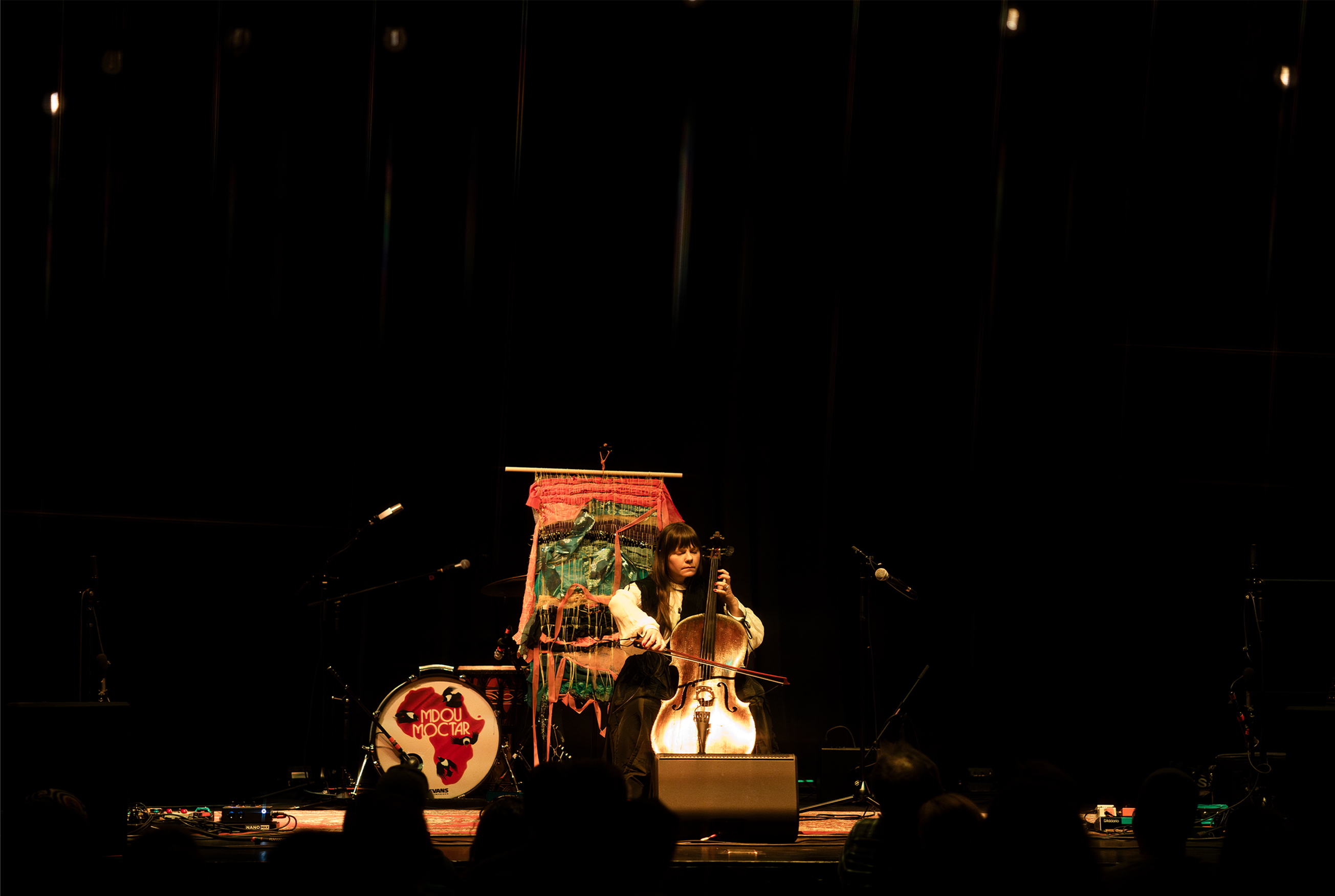
Alongside “The Brink Is Home,” another of the album’s boldest performances is “Slowly Melting,” which Leppin performed as her nightly closer when she opened for the brilliant West African guitarist Mdou Moctar on tour. In concert, as on record, the track filled the room with robust overtones that underscored the poignant melody and created a physical, tangible presence. “Slowly Melting,” like most of the album it names, has the interpretive appeal of summer clouds: You’ll hear a lot of your favorite music in its oozing, morphing sonics — searing free jazz, My Bloody Valentine, Godspeed You! Black Emperor, Sonny Sharrock, the list goes on. “Everyone was asking about this piece after the sets, asking me where they could buy it,” she recalls. Now they have a document to return to, and Leppin has a thrilling new solo concept to tour. “I can’t wait to perform this music for people,” she says. “I was completely amazed by how much the cello connected with people on that Mdou tour.” 

Pluto in Aquarius, from Leppin’s long-running avant-chamber-jazz unit Ensemble Volcanic Ash, finds the cellist further exploring new sonic terrain, in a program of 13 relatively compact tracks ranging from collective free improvisation to rocking, tightly composed earworms. While Pluto in Aquarius is, like all of Leppin’s music, a deeply personal work, it’s also intensely political. Leppin wrote about half of the music in the months leading up to the 2024 presidential election, and the remaining half after the inauguration that followed.

“So you’ll hear a lot of hopefulness here,” Leppin says, “as well as, of course, a lot of tension.” The album title signifies a momentous astrological transition, believed to bring radical change by reshaping power dynamics, technology, inequality and more. The music amplifies this inspiring message of optimistic struggle and resolve, and celebrates artists who’ve lived that fight.

Shot through with Herrmann-esque anxiety, “We See Dark Money” is an appreciation for the transparency we’ve gained in our era of media omnipresence. “When politicians offer a word salad and can’t answer a question, it’s because they got a bunch of money from somebody,” Leppin says — and we’re all able to witness the chicanery in real time. It also nods to Shostakovich, a favorite composer of Leppin’s whose boundary-breaking art made him a constant target of the Russian secret police.

Equally sweet and aching, “Susan Was a Warrior” is named for the pedal-steel visionary Susan Alcorn, who died in January 2025. She was a dear friend, mentor and collaborator to Leppin, who arranged Alcorn’s music at album length for the 2020 release The Heart Sutra. “It’s a mournful piece,” Leppin says, “because I’m still processing this loss.” The post-punk-tinged “Jazz Is Resistance” borrows its title from a phrase associated with the D.C.-based arts non-profit CapitalBop. “Cruel Motherfuckers” is a noisy free-improv offensive against ICE. “Deerhoof Is God,” built around a bristly, hard-angled riff that evokes the art-punk institution, is a paean to a band Leppin calls “one of the most fearless in the world.”

“I just really respect them,” she adds. “I love that they say what they mean, in both politics and music.”

Throughout Pluto in Aquarius, the group’s language and interplay might seem leaner, meaner and grittier to veteran Ensemble Volcanic Ash fans. Longtime EVA saxophonist Sarah Hughes is absent here, simply because she relocated during the album’s writing and production. But in that absence Leppin found a new pared-back feel for the ensemble — often less like a midsize chamber ensemble and more like a scrappy, skronky free-jazz combo. “It’s a really raw sound and I love that,” Leppin says. “We had played some shows in this format and it was like, ‘Wow, this is a whole other thing now.’”

Hughes last appeared with Ensemble Volcanic Ash on To March Is to Love, a protest-themed work released just a few months before the ’24 election. Unfortunately, the thematic mission of that project is even more urgent today. “The most important thing then was that people were marching and making their voices heard,” Leppin says. “And now this is the follow-up, the marathon. That’s why one of the tracks is called ‘Hope Marathon.’ This is it. This is where we listen to each other. This is where we start forgiving each other because we need each other. This is where we remember our humanity.”


Slowly Melting / Pluto In Aquarius press release

Buy this album


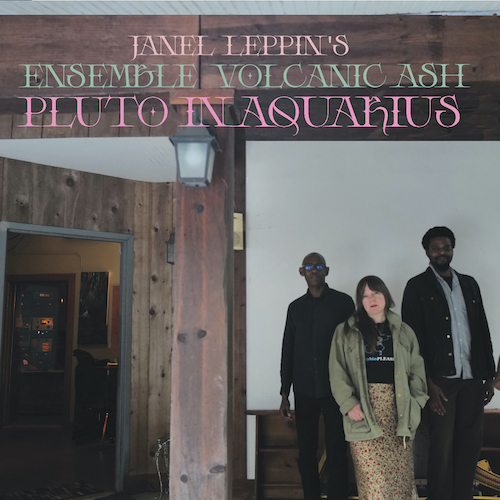
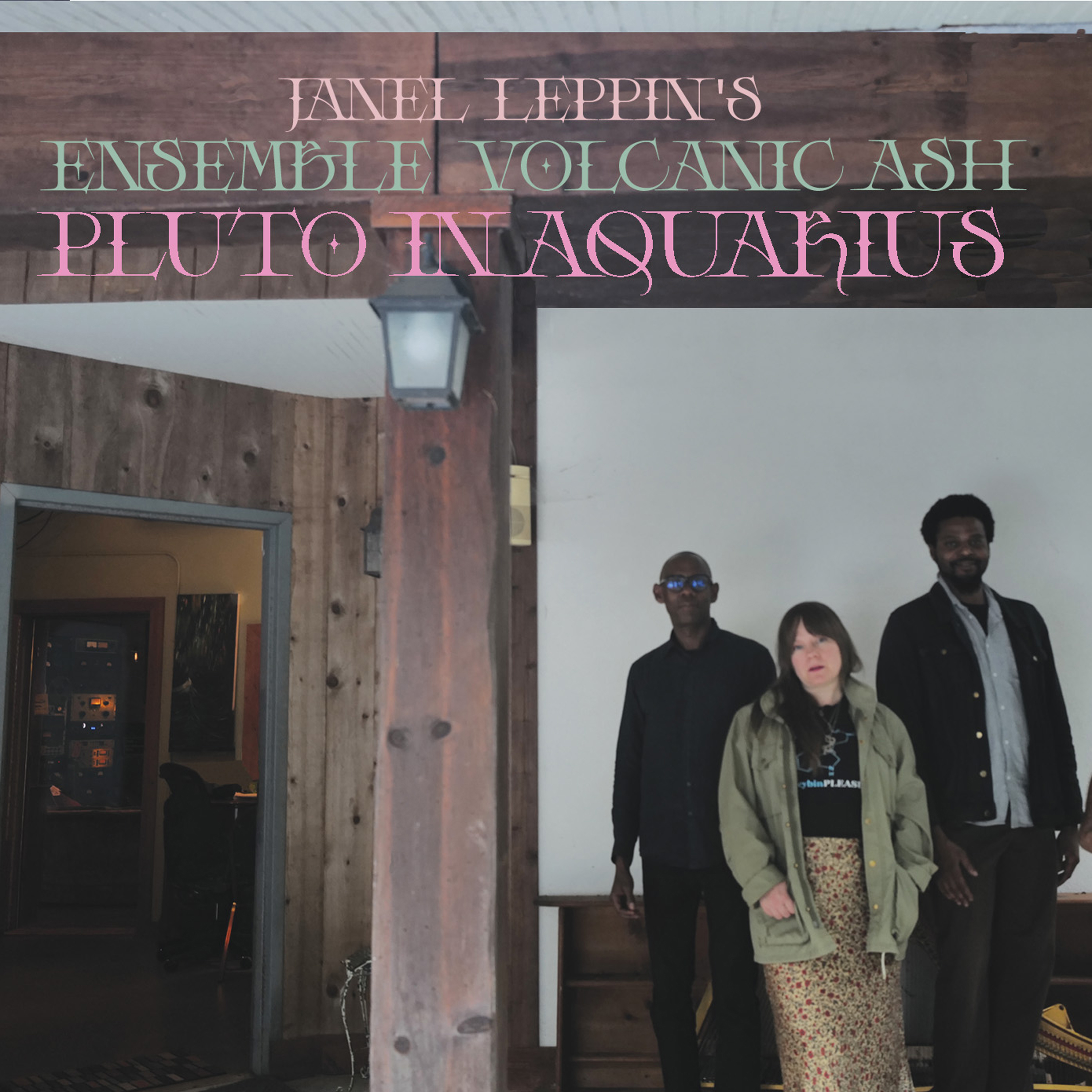
PLUTO IN AQUARIUS


RUNE 558

Over the past two decades, the cellist and multi-instrumentalist Janel Leppin has worked steadily to become one of the most compelling composers and improvisers of her generation. With her beloved Washington, D.C. scene as her home base, she has earned renown among fans of new and experimental music worldwide. Her astonishing range of projects includes Janel and Anthony, the duo she shares with her spouse, Messthetics guitarist Anthony Pirog; the extraordinary pop-tinged singer-songwriter music she makes as Mellow Diamond; and music with Marissa Nadler, PRIESTS, Rose Windows and many others.

Now at the peak of her powers as both a bandleader and a solo performer, she’s released two new projects of staggering beauty as well as vast personal and political insight. Pluto in Aquarius features her longstanding avant-jazz chamber unit, Ensemble Volcanic Ash, with a lineup of her most trusted collaborators including Pirog, bassist Luke Stewart, saxophonist Brian Settles and drummer Larry Ferguson. Slowly Melting is a riveting solo program that puts Leppin’s fuzz-saturated cello at the fore. She also contributes her accompaniment, crafting expansive soundscapes through guitar, bass, piano and Prophet-5 synthesizer.

Taken together, these Cuneiform Records releases highlight the duality at the core of her life as an artist, and as a person. In Ensemble Volcanic Ash, she’s once again an orchestra kid, relishing the camaraderie of making music with her friends. As a solo performer, especially onstage, she continues to marvel at how affecting the sound of her cello can be — how her centuries-old instrument, when thoughtfully filtered through analog technology, can bring a contemporary audience to tears.

These two albums also represent a triumph over adversity for Leppin, namely the physical hurdles she’s battled since college, when she severely injured her upper body and had to refrain from playing her instrument for more than a year. In the decades that followed, both setbacks and progress ensued, in addition to plenty of physical therapy.

Along the way, she learned to fulfill her musical passions by discovering new traditions, learning additional instruments that wouldn’t cause her pain, and delving into composition and arranging. As Pluto in Aquarius and Slowly Melting attest, today she’s a far more interesting musical personality than she would’ve become by staying put in a practice room. “Physically I cannot practice the way that classical cellists practice,” she explains. “So I knew I needed to expand. If I was going to stay in music, I needed to expand. And that’s what I’ve done.” 

Moreover, both albums underscore Leppin’s vision as a composer — an aesthetic that balances her great gift for moving, ear-catching melody with a penchant for fearless improvisation. It’s a concept that comes into crystalline focus whenever Leppin discusses her favorite musicians, from the stalwarts of free jazz to a colleague Eyvind Kang to Dungen. “Tchaikovsky is another favorite,” she says, “he writes so many gorgeous melodies especially for the cello. I think that’s what I like about pop music; you have to write something strong that will resonate with an audience.”

Gorgeous melodies, and equally gorgeous improvisations spun out from those melodies, define Slowly Melting. But alongside those lyrical themes, the project’s major breakthrough is sonic and textural. Or, as Leppin puts it, “This is my love letter to fuzz.” That’s fuzz as in fuzzbox, the compact analog devices that Keith Richards, Jimi Hendrix, Kevin Parker and other voyagers have used to innovate the sound of rock ’n’ roll. “Adding fuzz really changes everything on my instrument, in terms of its capabilities, the sustain, the richness of certain notes,” Leppin says. “There’s a lot of surprising moments that happen that you could never plan for — and I love that, especially live. I’ve been playing with electronics for 20-plus years, but I’d never really gone down that rabbit hole — and it is a rabbit hole.” 

Today, Leppin explains, “There’s a whole culture around fuzz, in terms of people who make and design the pedals, and the people who collect them.” Like any self-respecting fuzzhead, Leppin is cagey about the DIY builders she works with to fill out her pedalboard. But Slowly Melting is in part a testament to their circuitry prowess, and fuzz devotees will recognize totems of their culture in the track titles: “Zonk,” “Dizzy,” “Mk1,” “Germanium.” 

Other tracks reference Leppin’s life in music. “Kaffa House,” an unaccompanied, fuzz-free solo piece, pays homage to the now-defunct D.C. venue where Leppin checked out punk and hardcore shows in high school. Another sans-fuzz performance, “L.A. Land,” reflects on a particularly inspired bill Leppin appeared on at Zebulon, with Pirog and harpist Mary Lattimore. “The Brink Is Home” celebrates engineer/producer Mike Reina and his Virginia studio, the Brink. Reina’s in-studio guidance, both technical and creative, has been invaluable to Leppin throughout her career. (Leppin’s previous solo album, which reveled more in the pure, unaffected timbre of the cello, was titled simply The Brink.)

Alongside “The Brink Is Home,” another of the album’s boldest performances is “Slowly Melting,” which Leppin performed as her nightly closer when she opened for the brilliant West African guitarist Mdou Moctar on tour. In concert, as on record, the track filled the room with robust overtones that underscored the poignant melody and created a physical, tangible presence. “Slowly Melting,” like most of the album it names, has the interpretive appeal of summer clouds: You’ll hear a lot of your favorite music in its oozing, morphing sonics — searing free jazz, My Bloody Valentine, Godspeed You! Black Emperor, Sonny Sharrock, the list goes on. “Everyone was asking about this piece after the sets, asking me where they could buy it,” she recalls. Now they have a document to return to, and Leppin has a thrilling new solo concept to tour. “I can’t wait to perform this music for people,” she says. “I was completely amazed by how much the cello connected with people on that Mdou tour.” 

Pluto in Aquarius, from Leppin’s long-running avant-chamber-jazz unit Ensemble Volcanic Ash, finds the cellist further exploring new sonic terrain, in a program of 13 relatively compact tracks ranging from collective free improvisation to rocking, tightly composed earworms. While Pluto in Aquarius is, like all of Leppin’s music, a deeply personal work, it’s also intensely political. Leppin wrote about half of the music in the months leading up to the 2024 presidential election, and the remaining half after the inauguration that followed.

“So you’ll hear a lot of hopefulness here,” Leppin says, “as well as, of course, a lot of tension.” The album title signifies a momentous astrological transition, believed to bring radical change by reshaping power dynamics, technology, inequality and more. The music amplifies this inspiring message of optimistic struggle and resolve, and celebrates artists who’ve lived that fight.

Shot through with Herrmann-esque anxiety, “We See Dark Money” is an appreciation for the transparency we’ve gained in our era of media omnipresence. “When politicians offer a word salad and can’t answer a question, it’s because they got a bunch of money from somebody,” Leppin says — and we’re all able to witness the chicanery in real time. It also nods to Shostakovich, a favorite composer of Leppin’s whose boundary-breaking art made him a constant target of the Russian secret police.

Equally sweet and aching, “Susan Was a Warrior” is named for the pedal-steel visionary Susan Alcorn, who died in January 2025. She was a dear friend, mentor and collaborator to Leppin, who arranged Alcorn’s music at album length for the 2020 release The Heart Sutra. “It’s a mournful piece,” Leppin says, “because I’m still processing this loss.” The post-punk-tinged “Jazz Is Resistance” borrows its title from a phrase associated with the D.C.-based arts non-profit CapitalBop. “Cruel Motherfuckers” is a noisy free-improv offensive against ICE. “Deerhoof Is God,” built around a bristly, hard-angled riff that evokes the art-punk institution, is a paean to a band Leppin calls “one of the most fearless in the world.”

“I just really respect them,” she adds. “I love that they say what they mean, in both politics and music.”

Throughout Pluto in Aquarius, the group’s language and interplay might seem leaner, meaner and grittier to veteran Ensemble Volcanic Ash fans. Longtime EVA saxophonist Sarah Hughes is absent here, simply because she relocated during the album’s writing and production. But in that absence Leppin found a new pared-back feel for the ensemble — often less like a midsize chamber ensemble and more like a scrappy, skronky free-jazz combo. “It’s a really raw sound and I love that,” Leppin says. “We had played some shows in this format and it was like, ‘Wow, this is a whole other thing now.’”

Hughes last appeared with Ensemble Volcanic Ash on To March Is to Love, a protest-themed work released just a few months before the ’24 election. Unfortunately, the thematic mission of that project is even more urgent today. “The most important thing then was that people were marching and making their voices heard,” Leppin says. “And now this is the follow-up, the marathon. That’s why one of the tracks is called ‘Hope Marathon.’ This is it. This is where we listen to each other. This is where we start forgiving each other because we need each other. This is where we remember our humanity.”


Slowly Melting / Pluto In Aquarius press release

Buy this album


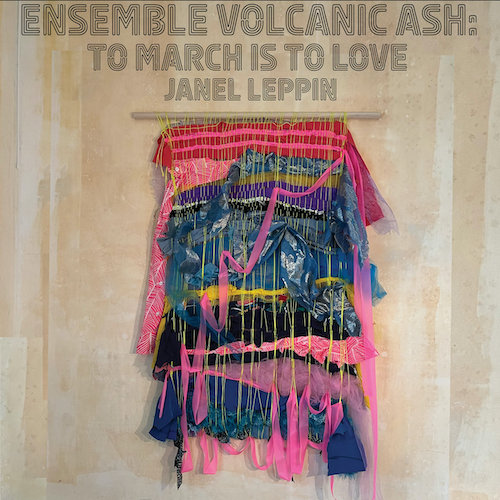
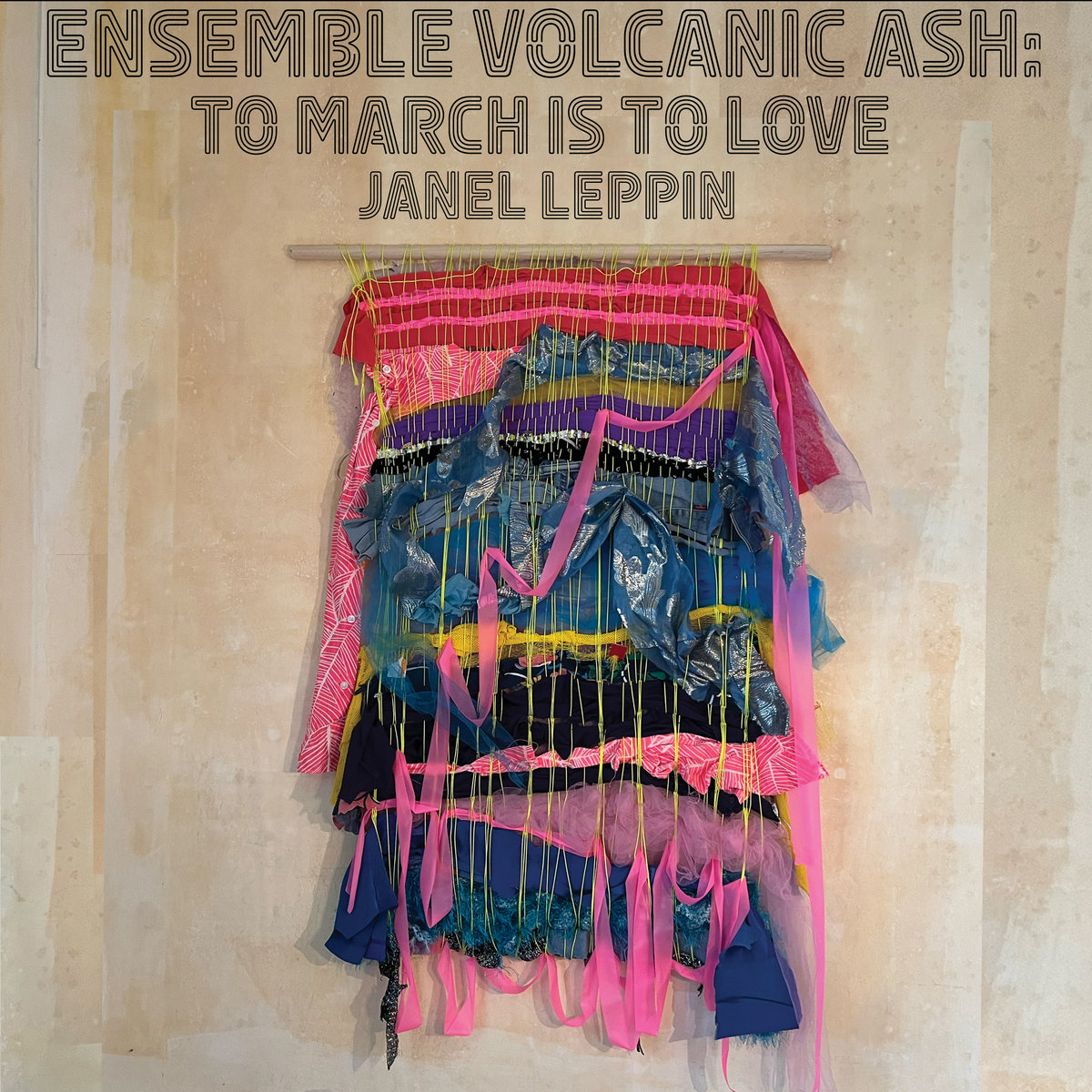
TO MARCH IS TO LOVE


RUNE 529

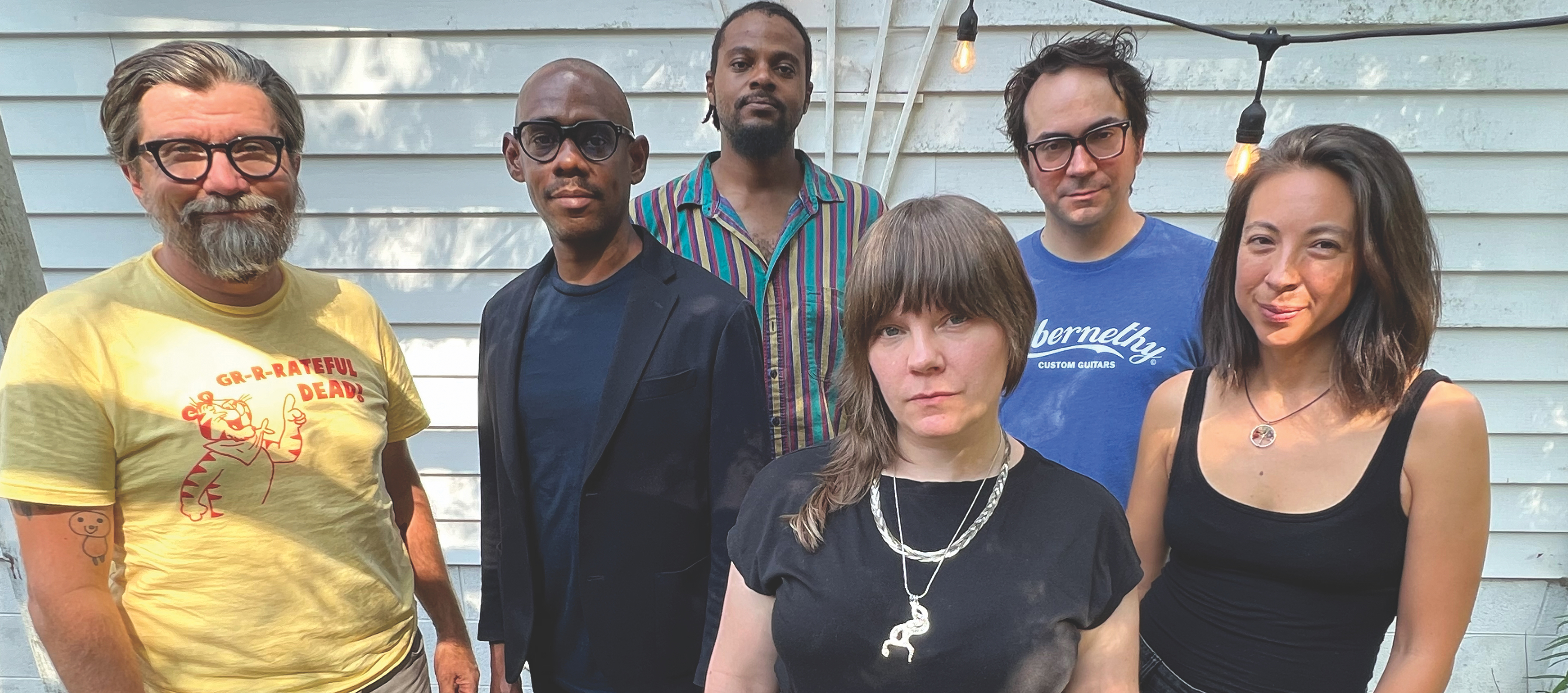
If cellist/composer Janel Leppin’s wonderful and widely celebrated 2022 solo debut album Ensemble Volcanic Ash was a creative eruption, her follow up, To March Is to Love, is a glowing magma flow that greatly expands her singular band’s sonic terrain. The project thrums with immediacy as Leppin and her all-star sextet honor their musical ancestors and reflect on disquieting times.

Bandcamp Daily declared “There’s no end to the melodic intensity of Ensemble Volcanic Ash. Even at its lushest and most approachable, Janel Leppin delivers the music with a resolute force of will." Their debut was also included in JazzTimes Critics Poll Top 50 New Releases of 2022.

“This is new music recorded in one day live in the studio. I was thinking a lot politically while writing this album, and wanted to lean into a message of hope, but not shying away from the reality. Some pieces are quite intense, some coming from personal experience and drawing on modern classical influence.”

With its volatile mix of composition and improvisation, Leppin’s densely orchestrated music could be called rambunctious chamber jazz, but she’s carved out her own niche shaped by the particular contours of her collaborators. Leppin melds an illustrious array of Washington D.C.-area talent into an expressive organism that surges, expands, ebbs and dances in multiple directions at once, and while there’s no shortage of virtuosity, Ensemble Volcanic Ash is more concerned with acutely calibrated interplay, inspired charts, and sky-shattering solos than with a lot of free improvisation.

The music is progressive chamber jazz with the steely avant-garde that descends from Julius Hemphill’s 1972 LP Dogon A.D. “As Wide as All Outdoors” is from a quote by Hemphill, "Jazz is as wide as all outdoors," which inspired Janel to write a raucous introduction and take a far reaching and dynamic cello solo.

That landmark recording featured Janel’s lodestar, the late Abdul Wadud, a pioneering cellist who cleared the path she traverses today. On the first track, Wadud is one of Janel’s honorees (“Ode to Abdul Wadud”). The album is bookended with her other greatest influence on the cello, Pablo Casals (“Casals’ Rainbow”). Wadud and Casals, Janel points out, were musical revolutionaries — in the case of Casals, he was a political firebrand, as well — so their presence is welcome on an album that is “very political. This is the moment where people are going to have to step up. We’ve done this before and we can do it again. It’s a very D.C. message, but a very important message.”


To March Is to Love press release

Buy this album


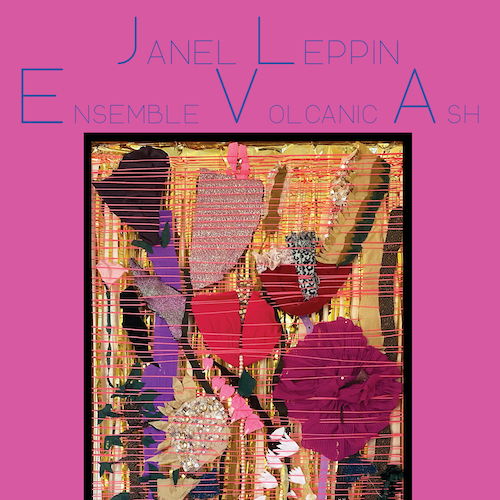
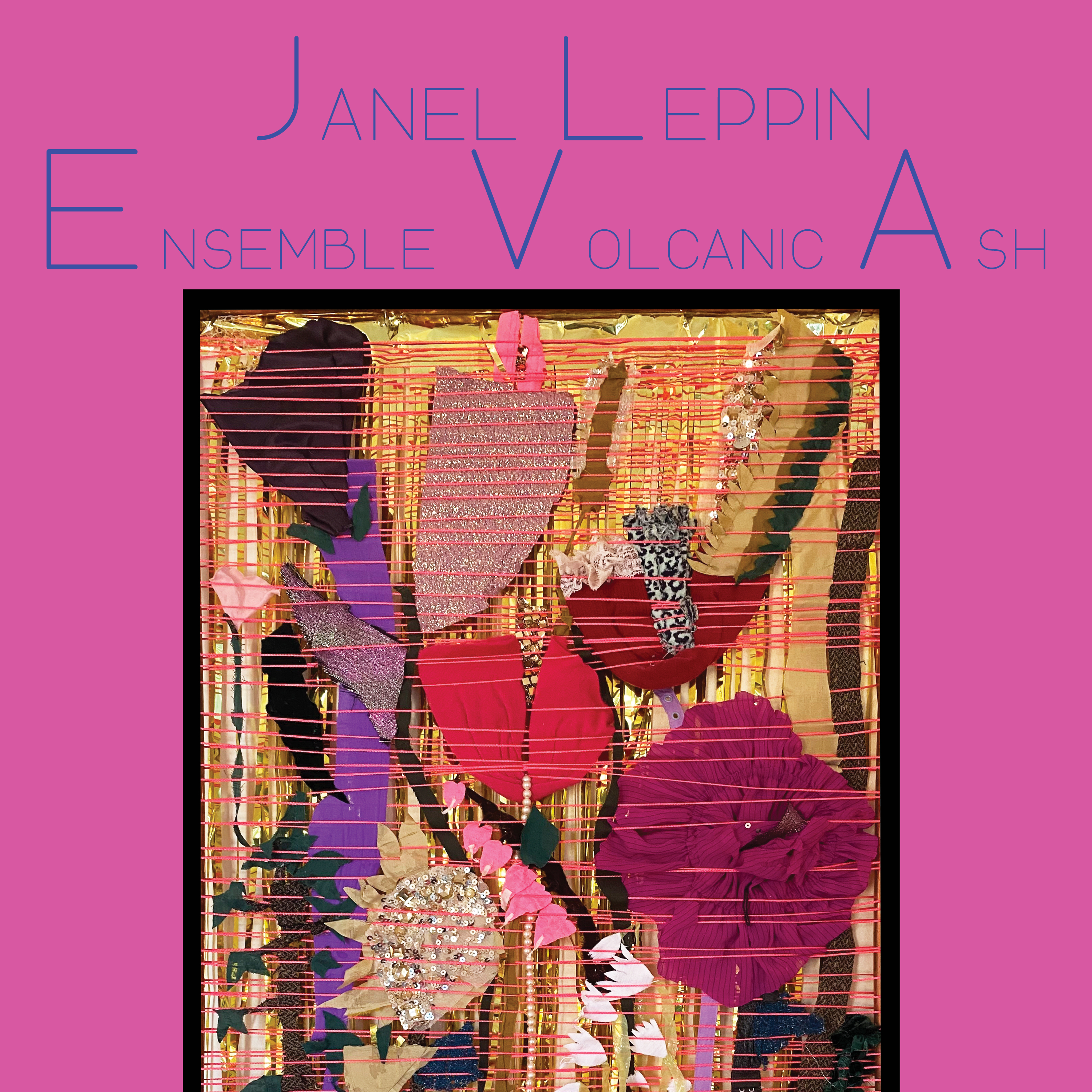
ENSEMBLE VOLANIC ASH


RUNE 499

Out of the ashes, something strange and beautiful is born. Emanating from the capacious imagination of Janel Leppin, Ensemble Volcanic Ash materialized after years of incubation on Washington D.C.’s verdant new music, jazz and improvised music scenes. The group’s eponymous Cuneiform album captures Leppin’s highly personal vision, a stylistically polymorphous sound that the Washington Post aptly describes as “embodying all the complexity and grace of human cooperation — that intuitive, empathetic, semi-telepathic teamwork thing that helps set us apart as a species.”

A composer and cellist who’s honed a singular synthesis of composition, orchestration and improvisation, Leppin is best known as half of the experimental duo Janel and Anthony, which she co-leads with her husband guitarist Anthony Pirog. With the chamber-jazz Ensemble Volcanic Ash she steps forward as a bandleader in her own right, delivering a gorgeous debut brimming with singular musicians. The seven-piece group melds an illustrious array of D.C. talent into a glimmering expressive organism that surges, expands, ebbs and dances in multiple directions at once. 

The powerhouse cast gets plenty of opportunities to shine, but it’s Leppin’s compositions that define the group in radiant, Technicolor splendor. Elegant and raw, persuasively logical and thrumming with emotion, her lapidary themes take shape with exquisite detail. Like with jazz’s most consequent composers, Leppin’s writing flows from the idiosyncratic voices in her ensemble, players who imbue every passage with their irrepressible personalities. As an instrumental voice she’s the first among equals, laying down expansive emotional parameters with each striking solo and cello-forward passage. 

On an instrument with only a handful of defining improvisers Leppin makes a forceful case for herself as one of jazz’s most original cellists. Which isn’t to say she dominates the proceedings. She creates alluring lines for Pirog, tenor saxophonist Brian Settles, alto saxophonist Sarah Hughes, harpist Kim Sator, and the commanding rhythm section tandem of bassist Luke Stewart and drummer Larry Ferguson, who all shape the music profoundly and often erase the distinction between soloist and accompanist. 

"This work is a braiding together of over 32 years of classical and jazz study on the cello with more than 20 years performing in Washington D.C.,” Leppin says. “It is a distinct place to learn and try new things. I've worked with some of these musicians for well over a decade and I think it shows in the music."

Describing Ensemble Volcanic Ash’s music as cinematic is accurate, but also misleading as it’s rare indeed to find a film these days marked by such unbridled creativity and incandescent characterizations. The brief, through-composed opening track “Children of the Water” sets the scene, with its portentous theme packing tremendous emotion and drama into a minute and a half. On “Woven Forest,” Leppin’s burly cello seizes the foreground, propelled by an insistent groove. As the horns step forward, counter melodies churn behind them until the ensemble reaches a clearing, opening up space for Pirog’s guitar solo. 

Many of Leppin’s tunes unfurl in two or three movements, like the mini-suite “She Had Synesthesia,” which inspires some of Leppin’s most earthy, physically imposing cello work on an extended exchange with Pirog. “I Pose,” the only track on the album with keyboards, features two main sections that suggest very different spectral encounters. The tune opens with a spaciously celestial section and builds to an incantatory cello-driven climax evoking mystery and transcendence. 

In much the same way that Leppin effectively deploys contrasting passages, the album’s sequencing flows with its own internal logic. The concise, through composed “Her Hand is His Score” feels like a moment of calm before plunging into the insistent introspection of “Silvia’s Path.” The punning title refers to the renowned poet Sylvia Plath, and the piece opens and closes with incantatory lines of minimalism. The album’s centerpiece is the nine-minute “Volcano’s Song,” a sinuous melody that rides on Stewart’s bass line. Solos by Settles and Pirog quietly torque the tension while maintaining the same tempo and hushed dynamic. Like the ensemble itself, the title comes from Leppin’s experience on a plane flight diverted during the 2010 eruption of Iceland’s Eyjafjallajokull volcano after a long European tour, but the piece was inspired by her love of John Zorn’s Masada. “I play those beautiful pieces to this day,” she says.

She pays direct tribute to another source of inspiration, Alice Coltrane, with “A Palace for Alice,” a piece suspended on Sator’s harp ostinato (beautifully doubled by Pirog’s guitar). It’s a gossamer melody carried by Hughes’ cottony alto that feels like a dispatch from Coltrane’s Journey in Satchidananda. Leppin closes the album with the first song she ever composed, “Leaving the Woods,” which she first recorded on the 2012 album Where is Home. Once again, Stewart’s bass takes the lead, maintaining a centered emotional presence as the cello and Hughes’ alto sax spiral around each other. Unsentimental but full of ache, it’s a backward glance of a tune with a melancholic melody.

If “Leaving the Woods” makes the transplantation process sound wrenching it’s partly because she’s so deeply rooted. Leppin hails from the D.C. metropolitan area where she earned a degree in cello performance from George Mason University (with minors in world music and dance). While studying the Western classical tradition, she plunged into DC’s thriving punk and hardcore scene in the 1990s. Later in college she began composing and improvising with Pirog. The pair have played hundreds of shows together worldwide and recorded several critically hailed albums as Janel and Anthony. She’s also collaborated extensively in recent years with composer and renegade pedal steel guitarist Susan Alcorn, including curating, arranging and playing on 2020’s The Heart Sutra (Editions Mego Ideologic Organ). 

In many ways, Ensemble Volcanic Ash’s expanded sonic palette and vast textural resources unleashed Leppin as both a composer and a player. “It freed me up,” she said. “Having Luke Stewart in the band gave me the chance to step out more comping-wise. I could be in the midrange a bit more and solo more often. With that kind of support I found I could play more assertively like my favorite cellists, Abdul Wadud and Pablo Casals. It was a big evolution to let go of playing the role of bassist in the group.” 

Leppin is also a celebrated textile artist who transforms her onstage outfits into chromatically extravagant woven creations (the album includes Leppin’s woven portraits of each Volcanic Ash musician as well as her shimmering cover art). Comet Ping Pong, the Black Cat, and the 9:30 Club have presented solo exhibitions of her weavings. She created album covers for Des Demonas’s Cure for Love, Anthony Pirog's Pocket Poem, and Susan Alcorn's The Heart Sutra. In form, content and spirit, there are many parallels between her fabric art and her music. Just listen and take a look.


Ensemble Volcanic Ash press release

Buy this album


MEDIA
For press and media: cover art and high resolution images are available below for download (click thumbnail, right-click image and select "Save As.."). Please credit the photographer (when available) and "Courtesy of Cuneiform Records". For more information, click here.

SLOWLY MELTING / PLUTO IN AQUARIUS
TO MARCH IS TO LOVE
ENSEMBLE VOLANIC ASH

PRESS RELEASES
Slowly Melting / Pluto In Aquarius press release

To March Is to Love press release
Ensemble Volcanic Ash press release

facebook twitter
© Cuneiform Records 2014
ARTISTS | TOURS | ABOUT | DISTRIBUTORS | STORE | CONTACT | LICENSING

Subscribe to Cuneiform's newsletter!